













A Sydney Weekend for Art, Jewellery and Design Lovers

Sydney is often introduced through its harbour. For people who care about design, the richer experience begins when the harbour is connected to the city’s materials: sandstone, glass, metal, timber, paint, textiles and Australian opal.
This two-day itinerary is for visitors who would rather study one beautiful object than rush past ten attractions. It combines public collections, heritage interiors, contemporary art and a specialist working showroom, with enough space for meals and unscheduled discoveries.
Weekend structure
Day 1 explores heritage architecture, Australian opal and the Art Gallery of New South Wales.
Day 2 moves through the State Library, Circular Quay, contemporary art and the Opera House precinct.
Day 1 morning: architecture before shopping

Begin at the Queen Victoria Building opposite Town Hall. Treat the QVB as an architectural experience before treating it as retail. Walk the length of the atrium, look at the domes and stained glass, and notice how repeated details create rhythm across several levels.
 Then continue to the Strand Arcade. The contrast is useful: the Strand is narrower and more intimate, and its Victorian galleries frame smaller specialist retailers and makers. Together the two buildings demonstrate how proportion affects experience—something jewellery designers understand very well.
Day 1 late morning: Australian Opal Cutters
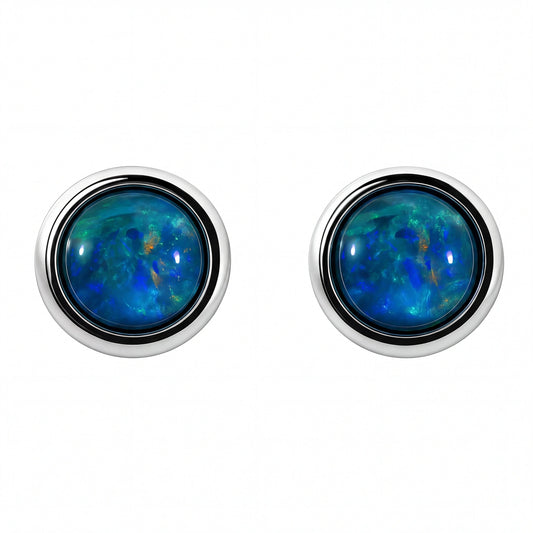
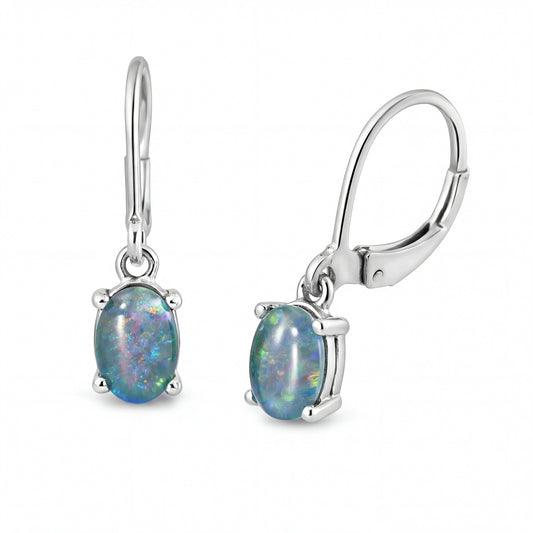
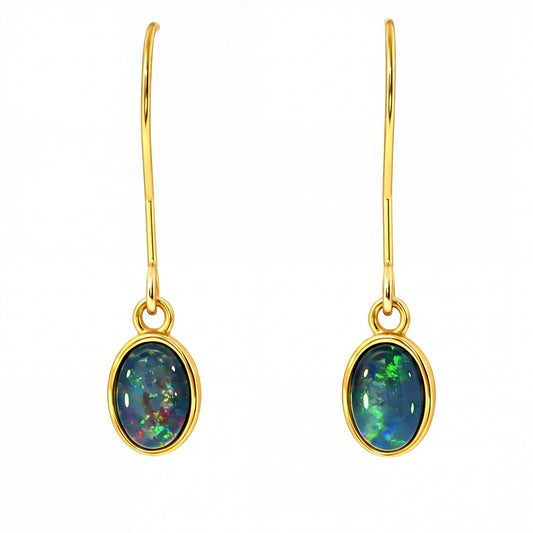
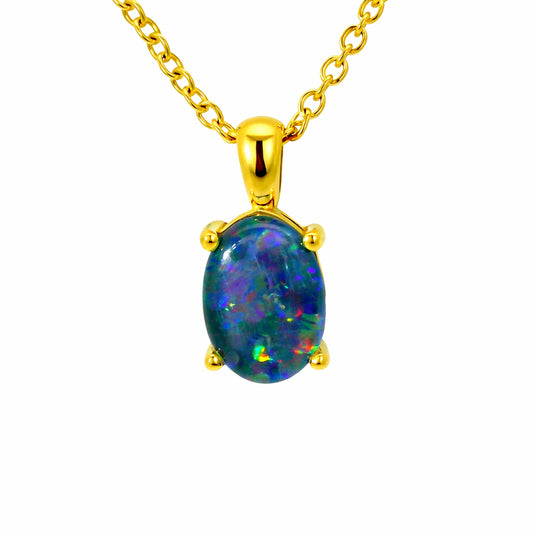
Visit the Australian Opal Cutters showroom and workshop on Pitt Street. The purpose is not simply to browse a large inventory. Ask for a comparison that connects material and design.
 A particularly useful design-led comparison might include:
-
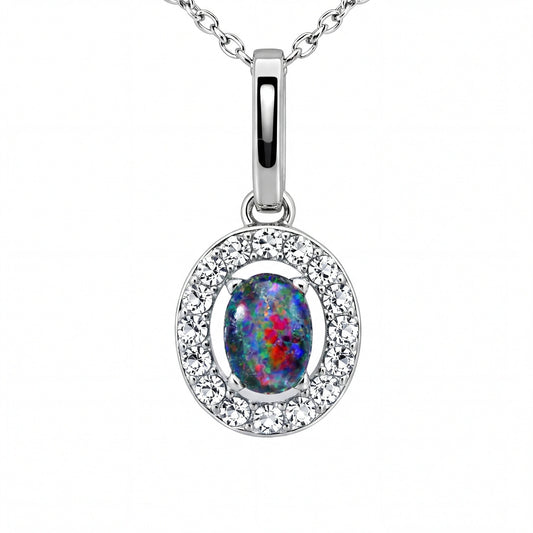
a black opal whose dark body tone creates strong contrast;
-
a boulder opal where the ironstone remains part of the finished stone;
-
a light or crystal opal with a more luminous effect;
-
a freeform cut that preserves colour; and
-
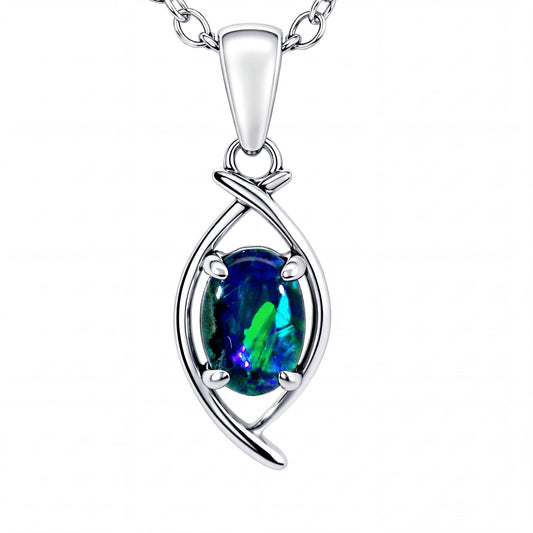
a finished piece where the setting acts as a restrained frame.
Observe how the jeweller responds to the stone rather than forcing every stone into the same shape. Fine opal often rewards asymmetry, unusual proportion and a setting designed around one individual object.
For a collector-focused visit
Contact the showroom before the weekend if you want to see higher-value black opal jewellery, loose opals or bespoke examples. Individual stock changes, and preparation makes the visit more valuable.
Day 1 afternoon: Art Gallery of New South Wales
Continue east to the Art Gallery of New South Wales. The Gallery spans the Naala Nura and Naala Badu buildings, with free general entry and ticketed special exhibitions.
 Do not try to “complete” the Gallery. Choose a theme:
-
Australian landscape and colour;
-
First Nations art and material knowledge;
-
portraiture and the design of identity;
-
sculpture and surface; or
-
how contemporary artists transform familiar materials.
After viewing opal, pay attention to contrast and framing. A bright colour becomes stronger beside a quiet area. A frame can create authority or distance. A material’s natural texture can be polished, concealed or deliberately retained. These are also jewellery decisions.
Day 1 evening: leave room for the unexpected
A design weekend should not be scheduled to the minute. Choose dinner according to your current location and mood. If visiting on a Wednesday, the Gallery is presently open later, but confirm hours and events before planning the evening around it.
Day 2 morning: the State Library and sandstone Sydney
Begin at the State Library of New South Wales. Its Mitchell and Macquarie Street buildings offer a different relationship between collection, architecture and public life. Check the current exhibition program and opening hours before arriving.
 Look closely at the building materials and the visual weight of sandstone. Sydney’s historic public architecture often gains its character from stone that is warm, substantial and responsive to light. It provides an interesting counterpoint to opal, which can appear almost weightless despite being geological material.
Where current tours are available, a guided architectural or collection visit can add context. Do not rely on a fixed tour time without rechecking the official page.
Day 2 late morning: walk towards Circular Quay
Move through the city towards Circular Quay, allowing time to observe details usually lost when travelling underground: carved façades, changing street widths, harbour glimpses and the transition from commercial centre to The Rocks.
This is a good point to think about the difference between design as decoration and design as problem-solving. Wayfinding, shade, seating, shopfronts and public space all reveal decisions about how people move and feel.
Day 2 afternoon: contemporary art at the MCA
The Museum of Contemporary Art Australia stands at Tallawoladah on Gadigal Country, 140 George Street, The Rocks. Check the current exhibition program and ticketing before your visit; schedules and gallery access change.
Contemporary art can be useful after a morning of heritage architecture because it often questions what materials mean. A familiar substance may be enlarged, repeated, damaged, polished or placed in an unexpected context. The exercise sharpens the same visual curiosity that helps a buyer appreciate an unusual opal cut or an unconventional setting.
The MCA Store is also a useful example of museum retail with an explicit connection to living artists and contemporary ideas. Choose work by identifiable artists and makers rather than treating the shop as a generic souvenir stop.
Finish at the Opera House precinct
Walk around Circular Quay to the Sydney Opera House. The building changes continuously with distance and viewpoint. From close range, material and jointing become visible; from the harbour, the composition becomes more sculptural.

Finish with a performance, an architectural tour or simply time on the forecourt, depending on the current program. Booked activities should always be confirmed through the official Opera House website.
How to make the weekend more personal
Choose one object to study at every stop
At the QVB, it might be a section of stained glass. At Australian Opal Cutters, one black opal. At the Gallery, one painting. At the Library, one room. At the MCA, one work. At the Opera House, one junction between tile and structure.
This prevents “cultural fatigue” and creates a more coherent memory of the weekend.
Keep a colour notebook
Record five colours encountered across the city—not generic names, but descriptions: wet sandstone, ferry green, eucalyptus grey, harbour blue at dusk, red fire in a black opal. These observations can become a useful brief if you later commission jewellery.
Buy fewer, better objects
When purchasing, ask who made the item, where the material came from and whether the story is documented. A small work with an honest connection to place is more compelling than a large object with only Australian imagery.
Frequently asked questions
Can this itinerary be done without a car?
Yes. The itinerary is centred on the CBD, Domain, Circular Quay and The Rocks. Walking and public transport can connect the main stops.
Should I book the opal showroom?
Advance contact is recommended for collector pieces, loose opals, bespoke discussions or a particular opal type.
Are the galleries free?
General entry to the Art Gallery of New South Wales is free, while some exhibitions are ticketed. MCA access and exhibition ticketing should be checked against the current program.
Is the weekend suitable in bad weather?
Most major stops are indoors, although the walks between them are part of the experience. Public transport can shorten exposed sections.
Can this become a one-day itinerary?
Yes. Choose the QVB, Australian Opal Cutters, the Art Gallery and the Opera House precinct.
See Sydney through materials
A design lover’s Sydney is not a separate city hidden behind the famous one. It is the same city viewed with more attention.
Architecture teaches proportion. Galleries teach contrast and interpretation. Workshops show how raw material becomes a finished object. The harbour teaches that colour is never static. Together, they make a weekend that feels distinctly Sydney and difficult to reproduce anywhere else.