

Before you leave...
Take 20% off your first order
20% off
Enter the code below at checkout to get 20% off your first order
Currency
 AED
AED
 AFN
AFN
 ALL
ALL
 AMD
AMD
 ANG
ANG
 AUD
AUD
 AWG
AWG
 AZN
AZN
 BAM
BAM
 BBD
BBD
 BDT
BDT
 BIF
BIF
 BND
BND
 BOB
BOB
 BSD
BSD
 BWP
BWP
 BZD
BZD
 CAD
CAD
 CDF
CDF
 CHF
CHF
 CNY
CNY
 CRC
CRC
 CVE
CVE
 CZK
CZK
 DJF
DJF
 DKK
DKK
 DOP
DOP
 DZD
DZD
 EGP
EGP
 ETB
ETB
 EUR
EUR
 FJD
FJD
 FKP
FKP
 GBP
GBP
 GMD
GMD
 GNF
GNF
 GTQ
GTQ
 GYD
GYD
 HKD
HKD
 HNL
HNL
 HUF
HUF
 IDR
IDR
 ILS
ILS
 INR
INR
 ISK
ISK
 JMD
JMD
 JPY
JPY
 KES
KES
 KGS
KGS
 KHR
KHR
 KMF
KMF
 KRW
KRW
 KYD
KYD
 KZT
KZT
 LAK
LAK
 LBP
LBP
 LKR
LKR
 MAD
MAD
 MDL
MDL
 MKD
MKD
 MMK
MMK
 MNT
MNT
 MOP
MOP
 MUR
MUR
 MVR
MVR
 MWK
MWK
 MYR
MYR
 NGN
NGN
 NIO
NIO
 NPR
NPR
 NZD
NZD
 PEN
PEN
 PGK
PGK
 PHP
PHP
 PKR
PKR
 PLN
PLN
 PYG
PYG
 QAR
QAR
 RON
RON
 RSD
RSD
 RWF
RWF
 SAR
SAR
 SBD
SBD
 SEK
SEK
 SGD
SGD
 SHP
SHP
 SLL
SLL
 STD
STD
 THB
THB
 TJS
TJS
 TOP
TOP
 TTD
TTD
 TWD
TWD
 TZS
TZS
 UAH
UAH
 UGX
UGX
 USD
USD
 UYU
UYU
 UZS
UZS
 VND
VND
 VUV
VUV
 WST
WST
 XAF
XAF
 XCD
XOF
XPF
XCD
XOF
XPF
 YER
YER
Free Shipping Australia-Wide!

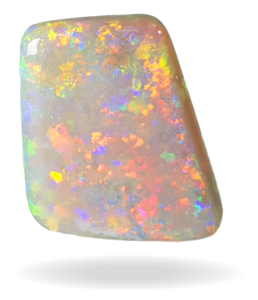
Australian opals make stunning additions to any jewellery collection, but like all precious gemstones, they require proper care and attention to remain as beautiful decades from now as they were on the day you purchased them.
Opals are an exceptionally rare gemstone, estimated to be about 5,000 times rarer than diamonds, so it’s important to take special measures to protect them. To ensure your Australian opal rings, earrings, pendants, necklaces, and other treasured pieces retain their brilliance, consider following these essential care and storage guidelines.
Just like any other gemstone, Opals should be stored separately from your other gems. You may be surprised to learn that the two most common causes of jewellery damage are actually:
1. Wearing your jewellery while sleeping:
You may be surprised by this, but you would be amazed at how much you move around while sleeping—wearing jewellery while sleeping is risky as it can cause the items to be crushed or damaged as body weight is pressed down upon them. Or you can unconsciously knock your ring against hard surfaces (walls, bed edges) while completely unaware and perhaps dreaming.
2. Bundling all of your jewellery together in a purse or carry bag:
The other area that is surprising is bunching jewellery together in a jewellery bag. This inevitably leads to the diamonds (the hardest stones) and the gold settings scratching against the Opals, or sapphires scratching pearls, or simply the chains, clasps and findings all scratching against each other. Every time the jewellery bag moves around, all of these jumbled items wear and scratch each other, and, over time, the damage can be substantial.
So, keep your jewellery items individually wrapped and then you can place them all together in your jewellery bag without risk of damage.
To adequately protect your valuable Opal jewellery, make sure you individually wrap your gems in a soft protective cloth and moisten the cloth before long-term storage. Opals can be stored safely but make sure there is moisture in the air when being stored.
While safes and lockboxes are secure, they are usually airless and have very little humidity. Opals have a 6–10 % water content and, like many other gems, will “dry out” and form cracks if they are subjected to extended dry storage.
If you need to store your Opal for an extended length of time, just place it in a padded cloth bag and dampen the cloth before storing it for protection. To keep your Opal safe for extended periods, wrap it in cotton wool with a few drops of water, then put it in a plastic bag. Even while microscopic molecules may soak into the stone, if exposed to extremely low humidity settings (for example, zero humidity storage safes), it will offer much-needed ambient moisture.
This is the reason why you will often see a small glass of water in the showcase at your jewellery store. This water compensates for the bright hot display lights heating the atmosphere and the gemstones, providing ambient moisture in the atmosphere. Without this added moisture most, gems will develop inclusions when left to ‘bake’ under a hot display light.
Opals “love to be worn”, and the ambient moisture found in everyday wear, with skin and contact with water, is all your Opal needs to keep them “healthy”. Placing your Opal in a glass of lukewarm water for 15 minutes every 12 months is another way to prevent it from drying out, especially if the Opal has been exposed to very dry conditions.
The safest way to clean opal jewellery is by hand. We recommend not using ultrasonic or sonic cleaners on any opal jewellery, including solid opals, doublets and triplets.
Although some sources suggest that certain solid opals may be suitable for ultrasonic cleaning, Australian Opal Cutters recommends avoiding this method. The high-frequency vibrations can aggravate existing cracks, fractures or inclusions in solid opals and may weaken the bonded construction of doublets and triplets.
Instead, gently clean your opal jewellery using lukewarm water, a small amount of mild soap and a soft, lint-free cloth or a soft toothbrush. This will safely remove everyday dirt, oils and residue without placing unnecessary stress on the stone.
For rings and pendants with intricate settings, dental floss or a soft brush can help remove dirt from hard-to-reach areas without scratching the jewellery.
To keep your opals looking their best, gently polish them regularly with a professional jewellery polishing cloth designed for precious jewellery. These cloths are safe to use on opals and help restore their natural brilliance without damaging the stone.
Avoid harsh chemicals, abrasive cleaners, bleach and strong detergents, as these may damage both the opal and the jewellery setting.
As the saying goes, "Opals love to be worn." Regular wear, combined with gentle cleaning and proper care, is one of the best ways to keep your opal jewellery looking beautiful for generations.
All gemstones will chip, crack or shatter if hit hard enough or heated long enough, and this goes for all gems – even Diamonds will crack or chip if you hit it with a hammer! – so common sense care will lengthen the life of your gemstones. Don’t wear them if there is a chance they may get hit with hard objects like when gardening or playing sports.
If you damage your Opal, please contact us first if you chip it or crack it. We have years of experience repairing every sort of Opal, and you would be amazed what can be saved.
We also advise you to insure your gems against damage or loss.
Doublets and triplets have multiple layers, and at Australian Opal Cutters, we assess concerns involving delamination individually. Coverage depends on the age, condition, care and cause of the issue, together with rights and remedies that may apply under the Australian Consumer Law and our additional Two-Year Manufacturer’s Warranty. Lifetime Care is a maintenance and service program and is not a lifetime warranty.
Post-1970, silicon-based glues became available and modern bonding methods can provide very durable assembled opals. However, no blanket lifetime guarantee against delamination applies. If a doublet or triplet develops a bonding issue, we will inspect it and determine whether it is a manufacturing fault, normal ageing or wear, accidental damage, misuse, or another cause, and deal with the matter in accordance with our Warranty, Lifetime Care & Jewellery Repair Policy and the Australian Consumer Law.
If your Opal has been chipped, cracked or otherwise damaged, contact us before arranging work elsewhere. We can assess whether the issue is covered by the Australian Consumer Law or our Two-Year Manufacturer’s Warranty. Damage or work that is not covered can often still be repaired, re-cut, reset or replaced, with any charge quoted in accordance with our Jewellery Repair Price Guide.
Thanks for subscribing!
This email has been registered!
Take 20% off your first order
Enter the code below at checkout to get 20% off your first order