




































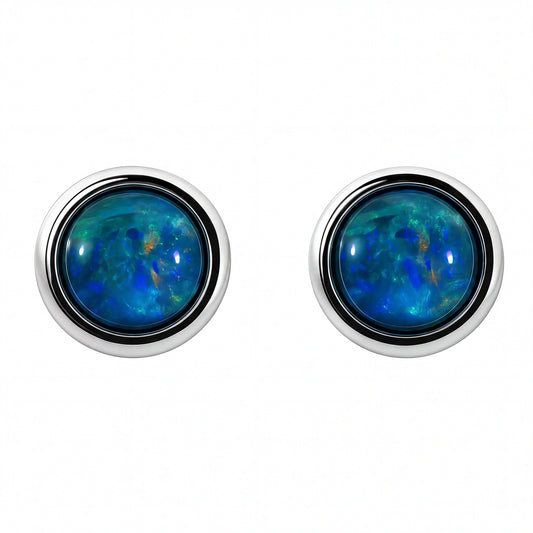

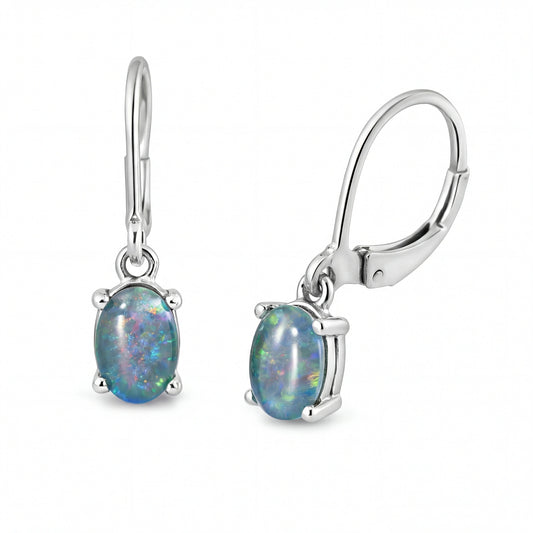

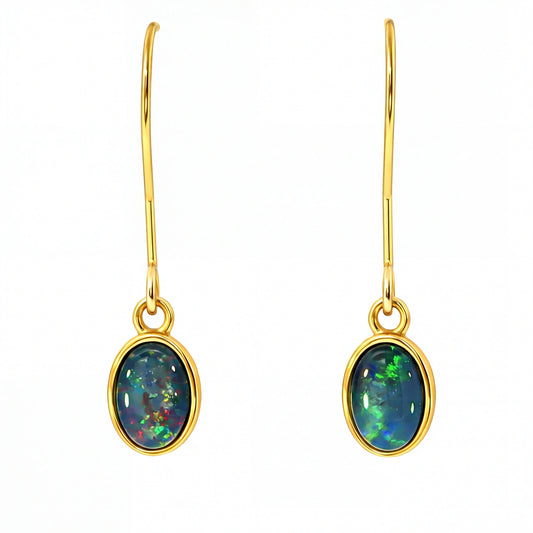

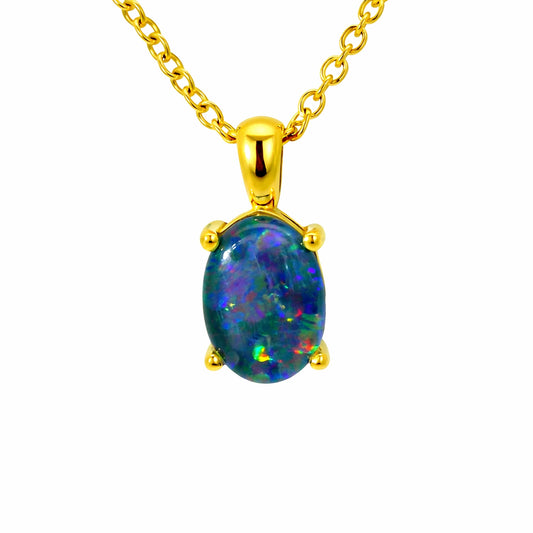



Buying a Five-Figure Opal: 12 Questions Before You Commit
A five-figure opal purchase should be exciting. It should also survive careful questioning.
At this level, beauty remains personal, but the decision should no longer depend on beauty alone. You need to understand what the stone is, why it is priced where it is, how it performs under different conditions, what documentation accompanies it and what support remains after the purchase.
This is not an investment guide. No seller can responsibly promise future resale value or annual appreciation. It is a due-diligence guide for choosing a significant natural opal or fine opal jewel with clear eyes.

1. Is this the exact stone I am buying?
For a unique natural opal, confirm that the stone in the photographs, video, certificate and invoice is the stone that will be supplied. Match the product SKU, dimensions and distinctive pattern.
If the item is viewed in person after being seen online, open the listing and compare it directly. Minor photographic differences are normal; a different stone is not.

2. What is the opal type and construction?
Ask for an unambiguous description: natural solid black opal, dark opal, light opal, crystal opal, boulder opal, doublet, triplet, treated opal, laboratory-grown opal or imitation.
At five figures, “opal” is not an adequate specification.
3. How is the body tone classified?
For black and dark opal, ask whether recognised body-tone terminology is being used. The Opal Association classifies black opal within the darker N1–N4 range, dark opal at N5–N6 and light opal at N7–N9.
Body tone should be assessed separately from the colours flashing across the face.

4. What makes the play-of-colour exceptional?
Ask the seller to demonstrate, not merely describe:
-
brightness;
-
dominant and secondary hues;
-
the proportion of the face carrying colour;
-
pattern scale and arrangement;
-
directionality;
-
performance away from direct spotlight; and
-
any inactive areas.
GIA notes that brightness and range matter, but personal colour preference also matters. A rare red is not automatically the right stone for someone who responds more strongly to vivid blue-green.
5. Is the colour broad-angle or directional?
Some opals reveal their strongest display within a narrower viewing position. Others remain lively across a wider arc. Directionality is not a simple pass/fail test, but it affects how a loose stone should be oriented and how jewellery will perform on the body.
Ask to see the opal rotated slowly through a full viewing sequence. For a pendant, consider its natural hanging position. For a ring, consider how the hand moves.

6. How was the cut chosen?
Fine opal is often cut to preserve colour rather than conform to a standard calibrated shape. Ask what the cutter prioritised and whether any compromise is visible in thickness, dome, outline or polish.
A freeform shape can be evidence of intelligent restraint. It can also make setting more complex. The seller should be able to explain both sides.

7. What condition issues were found?
Ask for explicit disclosure of:
-
fractures or crazing;
-
surface pits;
-
chips;
-
matrix or potch affecting the face;
-
previous repair;
-
stability concerns; and
-
condition features visible only from the back or side.
Inspect the stone under magnification with a qualified person where appropriate. “Natural” does not mean “condition does not matter”.
8. What treatments have been detected or declared?
Industry guidance requires treatment beyond standard cutting and polishing to be disclosed. Ask how the conclusion was reached and whether an independent identification report is appropriate.
GIA can evaluate and identify opal characteristics, natural or laboratory-grown origin and detectable treatments, but it does not issue a universal quality grade for opal. Be wary of a certificate being presented as something more authoritative than it is.
9. What supports the price?
Ask the seller to compare the stone with two or three relevant examples—not random online asking prices.
A useful explanation should address:
-
type and body tone;
-
brightness and colour range;
-
pattern and distribution;
-
direction;
-
cut, size and condition;
-
origin where documented;
-
the setting and precious metal; and
-
the current market context used for the valuation.
A valuation is an opinion for a defined purpose and date. It is not a guaranteed resale price, investment return or offer to repurchase the piece.
10. What documentation will I receive?
For a significant purchase, ask what will appear on the invoice and accompanying documents.
Useful information may include:
-
product SKU;
-
photograph of the actual item;
-
opal type and construction;
-
dimensions and weight;
-
metal and other gemstones;
-
declared treatment status;
-
origin wording and its basis;
-
valuation purpose and date; and
-
current care, warranty and service information.

11. What happens after purchase?
Read the current delivery, insurance, return, warranty and servicing terms before payment. Australian Consumer Law rights apply automatically and cannot be removed by a seller’s voluntary warranty.
Australian Opal Cutters’ approved editorial policy structure is:
-
Australian Consumer Law rights;
-
an additional two-year manufacturer’s warranty for eligible jewellery; and
-
a separate complimentary Lifetime Care & Service Program for eligible jewellery.
Eligible direct retail purchases may also qualify for a 30-day change-of-mind return, subject to product condition and exclusions. Custom, altered, resized, engraved or specially modified work may be excluded from change-of-mind returns. The final transaction should rely on the corrected formal policy, not contradictory old website wording.
12. Would I still choose it without the sales story?
Set the certificate and rarity language aside for a moment. Look at the opal again.
Does it continue to engage you? Does the strongest viewing direction suit how it will be worn? Is the design balanced? Are you responding to the stone itself, or to pressure created by the price and narrative?
A significant piece should become more compelling when the noise is removed.
A practical decision sequence
-
View the opal in person where possible.
-
Confirm identity, type, construction, dimensions and treatment disclosure.
-
Inspect colour, pattern, direction, cut and condition.
-
Compare relevant alternatives.
-
Review the documentation and policies.
-
Pause overnight unless genuine urgency is independently explained.
-
Seek an additional qualified opinion where the risk or uncertainty warrants it.
Frequently asked questions
Is a five-figure opal automatically investment grade?
No. “Investment grade” is not a guarantee of future resale value. Buy for documented quality, personal significance and informed enjoyment—not promised appreciation.
Should I get an independent report?
For a substantial purchase, an independent identification or valuation may be appropriate. Clarify what the report will and will not conclude.
Does red always make an opal more valuable?
Red can be highly prized, but value depends on brightness, pattern, distribution, direction, body tone, cut, condition and overall appeal.
Should the seller buy it back later?
Do not assume a valuation implies a repurchase obligation. Any buy-back arrangement should be explicit and written.
Can a custom setting be returned?
Custom or altered work is commonly excluded from change-of-mind returns. Faulty or misdescribed products remain subject to Australian Consumer Law rights.
Buy the opal you can explain
A strong high-value decision should be describable in plain English: what the opal is, what makes it exceptional, what limitations it has, why the setting suits it and what documentation supports the transaction.
To compare current fine and collector pieces, contact Australian Opal Cutters in Sydney before visiting so the showroom can identify suitable black opal jewellery or loose stones from changing inventory.